#First Amendment
#First Amendment
[ follow ]
#fcc

US politics
fromAbove the Law
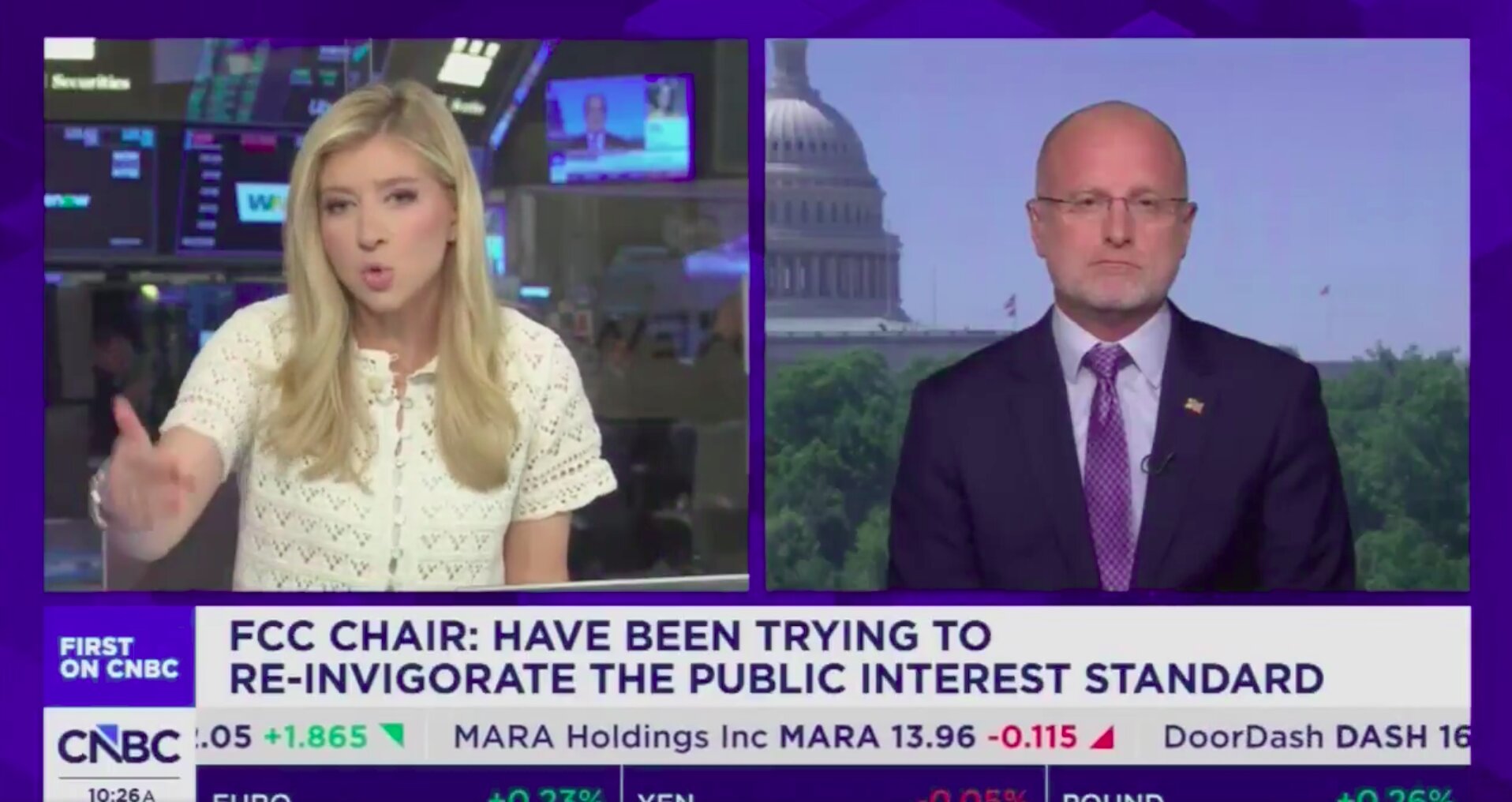
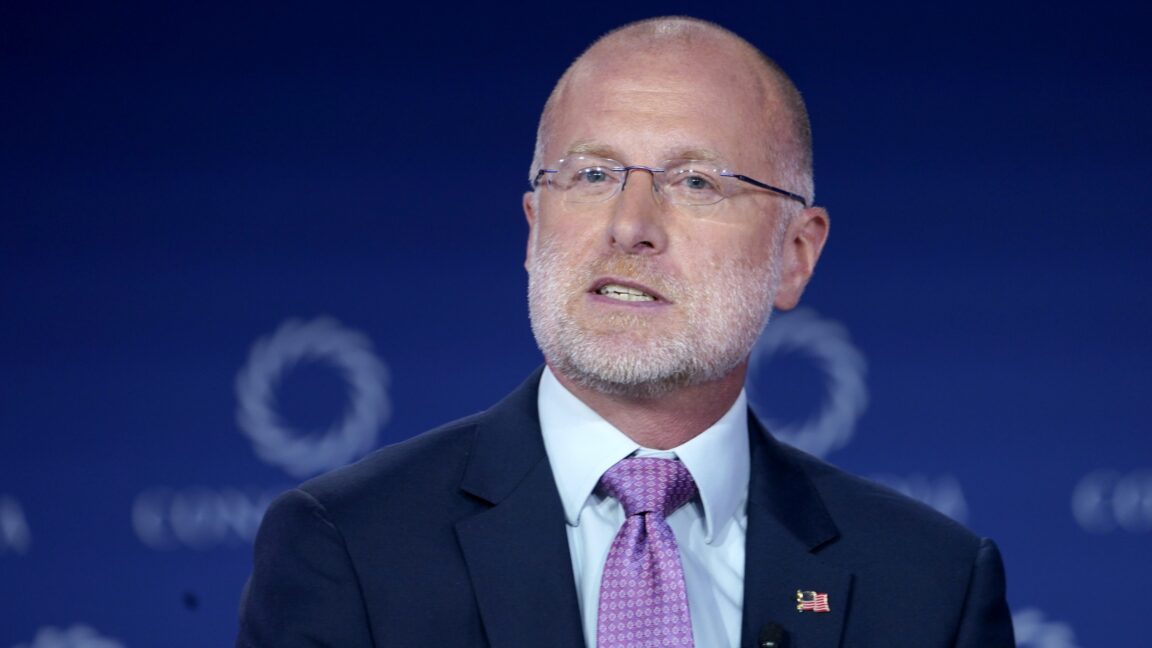
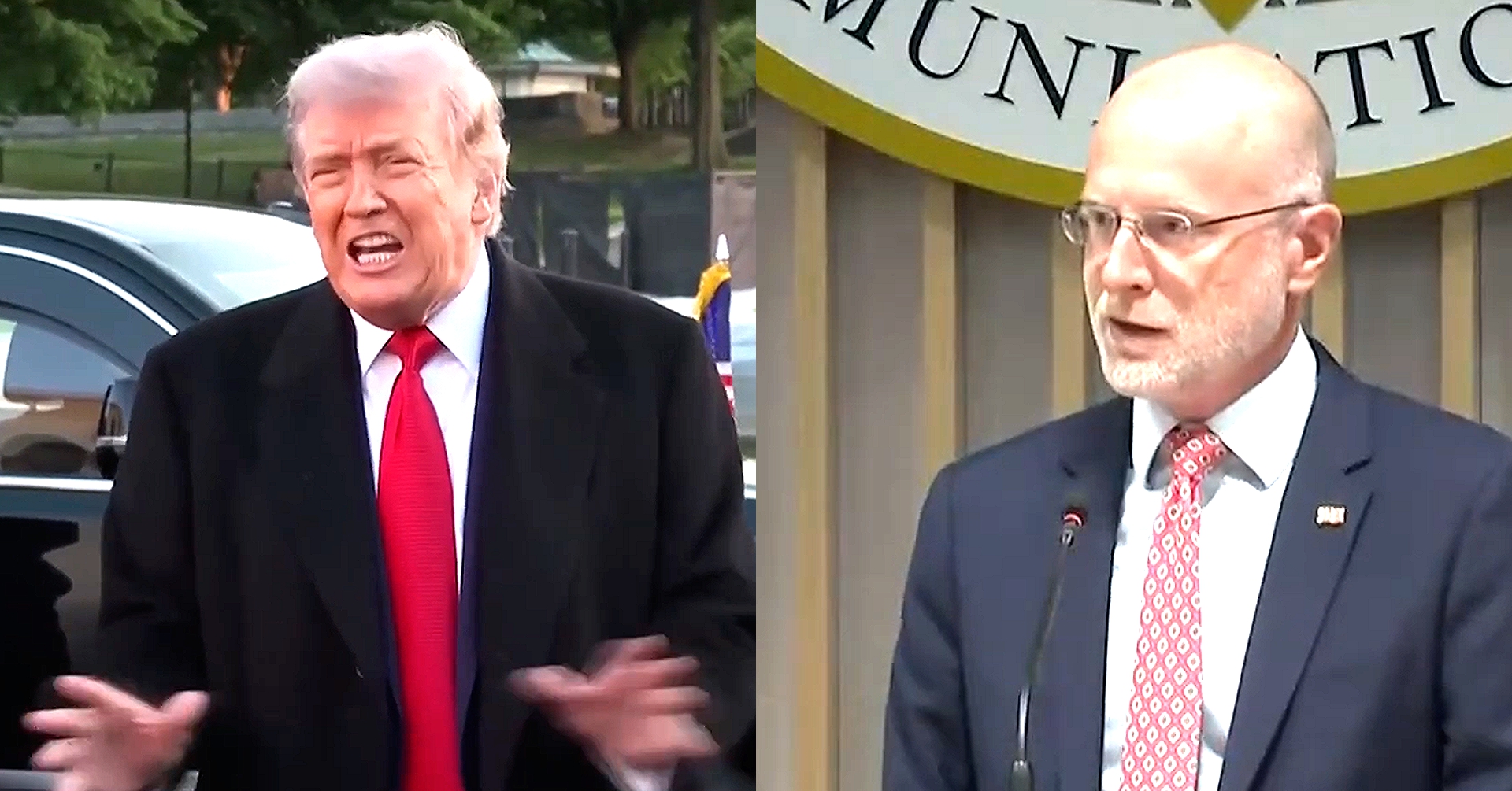
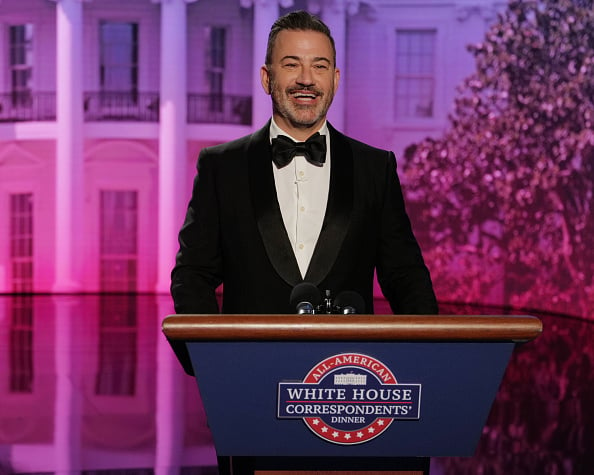
4 weeks agoBrendan Carr 'Launches' His Bogus FCC 'Review' Of ABC Broadcast Licenses And It's Just Pathetic And Stupid - Above the Law
The FCC's review of ABC's broadcast licenses is a politically motivated attack on free speech related to Jimmy Kimmel's joke about the president's wife.
#first-amendment
Law
fromwww.theguardian.com
18 hours agoWhy are journalists being subjected to search warrants in the US? | Caitlin Vogus
Federal prosecutors sought search warrants targeting journalists and protesters, failed twice under legal standards, and withdrew after blunt judicial criticism for omitting relevant law.
Higher education
fromInside Higher Ed | Higher Education News, Events and Jobs
1 day agoWest Point Restriction on Civilian Faculty Speech Overturned
West Point cannot require civilian faculty to obtain preapproval for speech and writing tied to their academic disciplines without violating the First Amendment.
fromwww.mediaite.com
6 days agoDon Lemon Goes Off on Trump Press Corps Demands They Stand Up Against Attacks
Now all of the late night shows are going dark, so that Stephen gets all the shine. That's how you stand up for each other. Excuse me, hold on. Press Corps, White House Press Corps! Are you listening to this? All of his competitors, all of his colleagues, Stephen Colbert, they're going dark because they want to give him the shine! They want give him support.
Media industry
fromIndieWire
1 week agoHow Will Stephen Colbert End 'The Late Show'? 'It's Going to Be Very Unusual'
Carter, who wrote the bible of late-night TV books, 1994's "The Late Shift," as well as its acclaimed 2010 follow-up, "The War for Late-Night," was responding to a question about Colbert's finale for "The Colbert Report," when the in-character host invited an impossible number of guests onto his tiny studio stage for a closing sing-a-long set to Vera Lynn's "We'll Meet Again."
Television
NYC politics
fromwww.amny.com
1 week agoCity Council narrows school protest buffer zone bill weeks after Mamdani's veto | amNewYork
A vetoed bill requiring NYPD protest planning near schools is being rewritten to cover early childhood centers and most K-12 schools while excluding colleges, universities, libraries, and teaching hospitals.
#press-freedom

fromThe New Yorker
3 weeks agoMedia industry
Kash Patel's Strategic, Frivolous Lawsuit Against The Atlantic
Kash Patel's $250 million lawsuit against The Atlantic challenges an article alleging misconduct, raising questions about anonymous sources and press protections in an era of increased litigation against media.
fromwww.mediaite.com
1 month agoLeft-wing politics
Dan Rather, Sam Donaldson and Others Demand Press Call Trump Out to His Face at Glitzy Dinner in Scorching Letter
Over 250 journalists urge the White House Correspondents' Association to oppose President Trump's attacks on press freedom during the upcoming dinner.
Media industry
fromThe New Yorker
3 weeks agoKash Patel's Strategic, Frivolous Lawsuit Against The Atlantic
Kash Patel's $250 million lawsuit against The Atlantic challenges an article alleging misconduct, raising questions about anonymous sources and press protections in an era of increased litigation against media.
Left-wing politics
fromwww.mediaite.com
1 month agoDan Rather, Sam Donaldson and Others Demand Press Call Trump Out to His Face at Glitzy Dinner in Scorching Letter
Over 250 journalists urge the White House Correspondents' Association to oppose President Trump's attacks on press freedom during the upcoming dinner.
Washington DC
fromwww.mediaite.com
1 week agoNew York Times Sues Defense Department Over Patently Unconstitutional' Policy Requiring Reporters Be Escorted at Pentagon
An interim Pentagon press escort requirement is challenged as unconstitutional by a New York Times lawsuit seeking to protect independent reporting.
fromABA Journal
2 weeks agoEmployees sue USDA secretary over 'increasingly proselytizing' Christian emails
Employees of the U.S. Department of Agriculture and the union representing the agency's workers are suing the secretary of the deparment over a series of emails promoting Christianity. The workers and the National Federation of Federal Employees alleged in a federal complaint filed Wednesday that Secretary Brooke Rollins "has adopted a practice of sending increasingly proselytizing communications to the entire USDA workforce, promoting her own preferred brand of Christian beliefs and theology."
Agriculture
Right-wing politics
fromwww.mediaite.com
1 week agoWe All Know What This Is About': NYT's David Sanger Blasts Trump Treason' Accusation As Effort To Intimidate'
Calling reporting on Iran treason is an attempt to intimidate news organizations, while reporting remains a core First Amendment responsibility.
Privacy professionals
fromFortune
1 week agoI've been studying Big Tech for a long time. What just happened with Anthropic and the Pentagon terrifies me | Fortune
Government canceled an Anthropic contract and labeled the company a supply-chain risk after it refused Defense Department use of Claude for surveillance and lethal autonomous warfare.
Right-wing politics
fromwww.mediaite.com
2 weeks agoNY Times Hits Back Hard at Trump Accusing Its Reporter of Treason' For Constitutionally Protected Work'
Reporting on government actions is foundational to a free press and protected by the First Amendment, even when officials claim coverage is treasonous.
#national-endowment-for-the-humanities
Non-profit organizations
fromSlate Magazine
2 weeks agoIt Was One of DOGE's Most Absurd Abuses. A Court Finally Exposed It.
Mass cancellation of NEH grants lacked due process and violated constitutional protections, including viewpoint discrimination, equal protection, and unauthorized action by DOGE officials.
Non-profit organizations
fromInside Higher Ed | Higher Education News, Events and Jobs
3 weeks agoFederal Judge Restores Millions in NEH Grants
Mass cancellation of over 1,400 NEH grants using AI-flagged DEI-related language violated First Amendment and equal protection rights without statutory authority.
fromwww.theguardian.com
2 weeks agoFederal judge blocks US sanctions against UN expert on occupied Palestinian territories
A federal judge on Wednesday temporarily blocked US sanctions against Francesca Albanese, a UN expert on the Palestinian territories, finding that the Trump administration likely violated her free speech rights by imposing the measures after she criticized US ally Israel's war on Gaza. The sanctions barred her from entering the US and banking there. Albanese, an Italian lawyer who is UN special rapporteur on the Israel-occupied Palestinian territories, recommended the international criminal court pursue war crimes prosecutions against Israeli and US nationals.
US politics
fromwww.amny.com
2 weeks agoPaladino reaches settlement with the City Council taking down anti-Muslim tweets | amNewYork
The Republican legislator agreed to delete several tweets and clarify the personal nature of her X/Twitter account. The agreement stems from a disciplinary probe that City Council's Ethics Committee pursued against Paladino in March over anti-Muslim tweets she posted on her X account. Paladino then filed a lawsuit in response to prevent the council from taking any disciplinary actions against her, arguing that the committee was unevenly enforcing its anti-discrimination powers against her for exercising freedom of speech.
Left-wing politics
#lgbtq-rights
LGBT
fromPinkNews | Latest lesbian, gay, bi and trans news | LGBTQ+ news
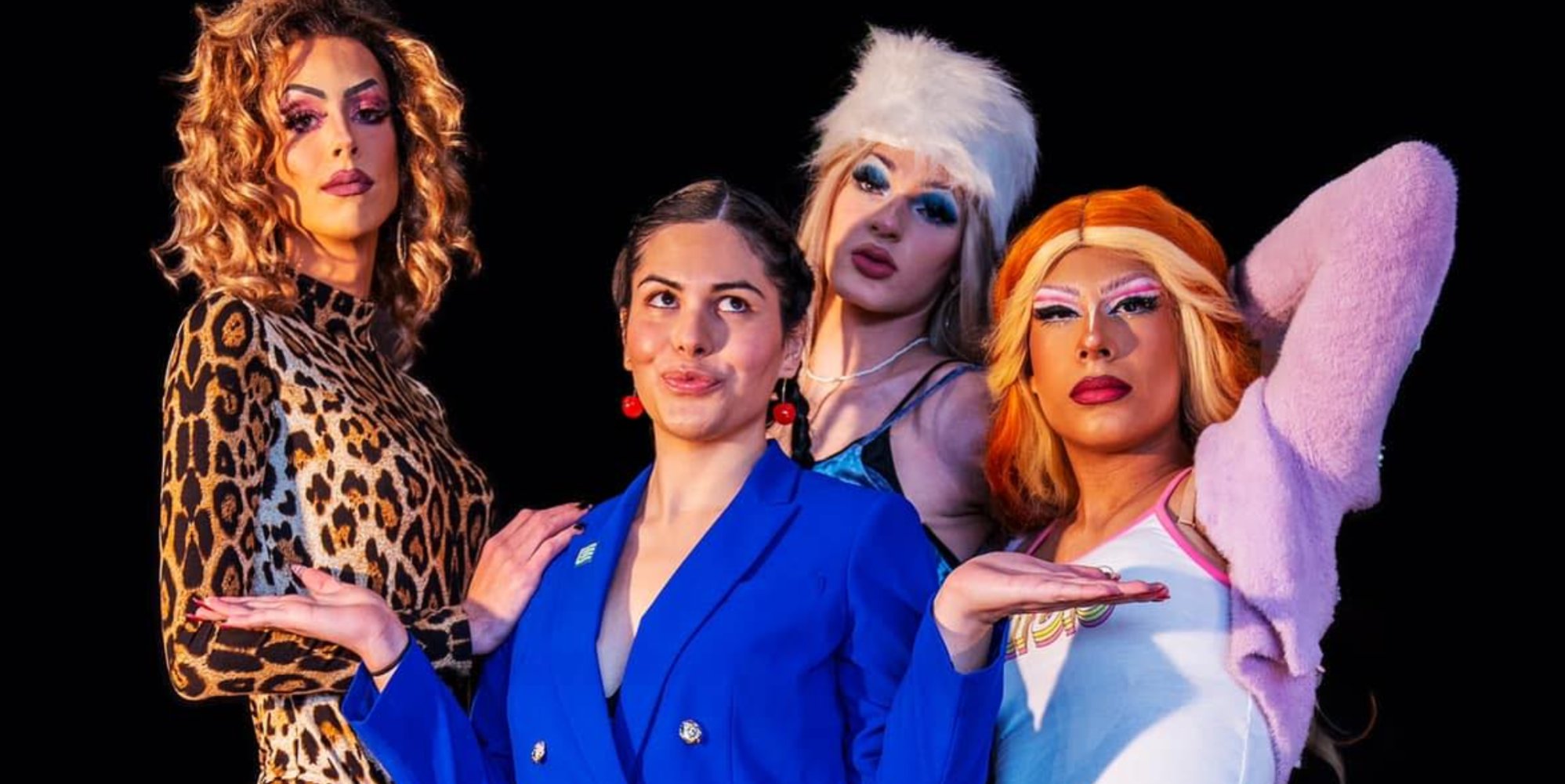
2 weeks agoColorado lawmakers pass rewritten conversion therapy ban after Supreme Court ruling
Colorado lawmakers approved HB26-1322 to preserve protections against conversion therapy by making the ban viewpoint-neutral and extending malpractice claim timelines for survivors.
LGBT
fromPinkNews | Latest lesbian, gay, bi and trans news | LGBTQ+ news
2 weeks agoColorado lawmakers pass rewritten conversion therapy ban after Supreme Court ruling
Colorado lawmakers approved HB26-1322 to preserve protections against conversion therapy by making the ban viewpoint-neutral and extending malpractice claim timelines for survivors.
Non-profit organizations
fromwww.theguardian.com
3 weeks agoDoge slashing of humanities grants in 2025 ruled biased and unconstitutional
Hundreds of humanities grants were unlawfully terminated through viewpoint discrimination and unconstitutional authority, violating First and Fifth Amendment protections.
fromwww.amny.com
3 weeks agoProtest over Israeli real estate event at Manhattan synagogue tests NYPD perimeter strategy as officer hospitalized, demonstrators pepper-sprayed
The Great Israeli Real Estate Event 2026, advertised online, is part of a tour that includes locations like Flatbush and Queens, and is set for May 5 in Manhattan.
NYC LGBT
Intellectual property law
fromIPWatchdog.com | Patents & Intellectual Property Law
3 weeks agoTrademark Claims Against Netflix Dismissed Due to One-Letter Typo in Court Order
Trademark claims against Netflix for 'Running Point' were dismissed due to a misarticulation of First Amendment law, impacting trademark liability in creative works.
fromABA Journal
4 weeks agoFormer judge suspended over Facebook posts seeks relief from SCOTUS
"Allowing judges to be disciplined based on the perceived 'tone' or 'volume' of lawful speech promotes arbitrary enforcement, invites political interference in the judicial branch, and threatens to undermine the rule of law."
Law
fromKqed
4 weeks agoSearch of Golden Gate Bridge Protesters' Social Media Was Illegal, Attorneys Argue | KQED
Moeel filed a motion to suppress that evidence in court ahead of trial, where defendants face maximum sentences of 14 or 15 years in prison for charges including felony conspiracy, false imprisonment and trespassing to interfere with a business.
Social justice
fromwww.theguardian.com
1 month agoUS supreme court sides with anti-abortion centers in New Jersey case
The US Supreme Court sided with First Choice Women's Resource Centers, reviving a federal lawsuit challenging a subpoena from the New Jersey attorney general. The subpoena sought internal records, including donor and doctor information, amid allegations of deceptive practices.
Non-profit organizations
#white-house-correspondents-dinner
Media industry
fromwww.mediaite.com
1 month agoGet Some Steel in Your Spine!' Fox's John Roberts Scorches Traumatized' Journos Skipping Rescheduled WHCD
John Roberts encourages journalists to attend the White House Correspondents' Dinner despite recent security concerns, emphasizing the importance of press freedom.
fromThe Conversation
1 month agoTexas proposes Bible readings for K-12 students, reigniting century-old legal battle over their place in public schools
The first reported case on the Bible in U.S. schools was in 1872, when the Supreme Court of Ohio affirmed a ban against religious instruction in public classrooms.
Philosophy
fromwww.mediaite.com
1 month agoWHCA President Weijia Jiang Applauds Secret Service After Harrowing' Attempted Shooting
Jiang was sitting right next to President Donald Trump and members of his administration on stage when suspected shooter Cole Tomas Allen fired multiple shots in the venue's lobby, forcing Secret Service to rush those on stage to safety.
Washington DC
fromAbove the Law
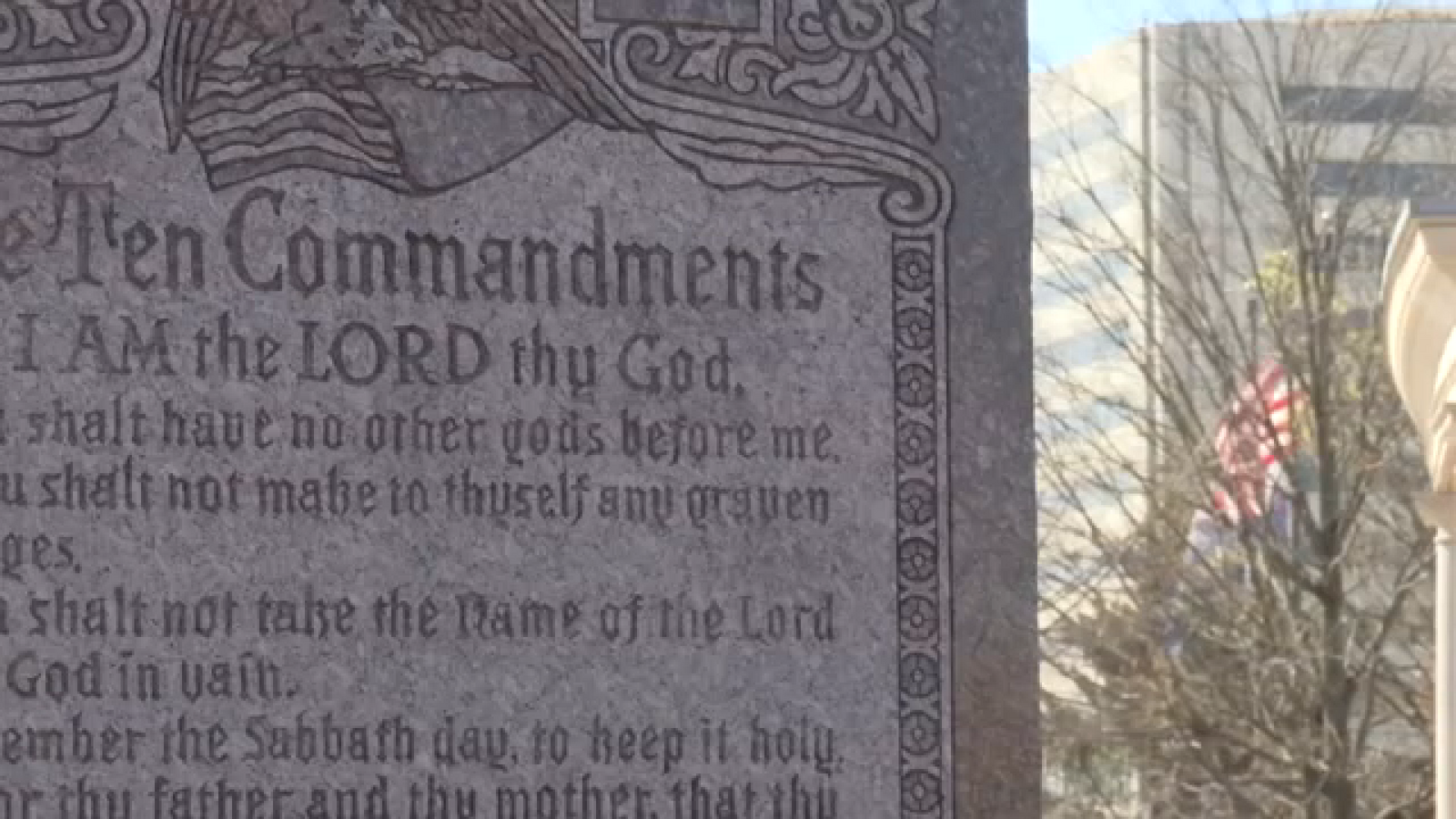
1 month agoTen Commandments In Schools Law Upheld, As Fifth Circuit Declares 'Thou Shalt Not Confuse Us With Facts' - Above the Law
The Fifth Circuit decided 9-8 that the inviolable right of parents to direct the religious education of their own children means the inviolable right of parents to teach their kids about Texas Jesus.
Education
[ Load more ]